Why Is Amla Considered a Superfood? Benefits, Nutrition & Uses
If you had a tiny, green fruit in your kitchen that could sharpen your immunity, clear up your skin, and give your hair a natural, healthy shine, you’d probably use it every single day, right?
Most of us have seen Amla, or Indian gooseberry, sitting in our kitchens, but we rarely stop to consider what it’s actually doing for our bodies. It isn’t just a traditional garnish or an afterthought in a jar of pickles; it’s one of Ayurveda’s most trusted Rasayana (rejuvenating) herbs, and modern nutrition science backs up much of that reputation. A few bites of this fruit can pack more vitamin C than a handful of oranges, along with a dense blend of antioxidants that help your body handle the daily stress of modern life.
At Svasthvida, Amla has long been part of the classical Ayurvedic toolkit, used in everything from daily Rasayana routines to the oils applied during Abhyanga and other Panchakarma therapies. This blog breaks down what the fruit actually does, how Ayurveda has used it for centuries, and simple, practical ways to work it into your daily routine.
What Is Amla and How Does It Grow?
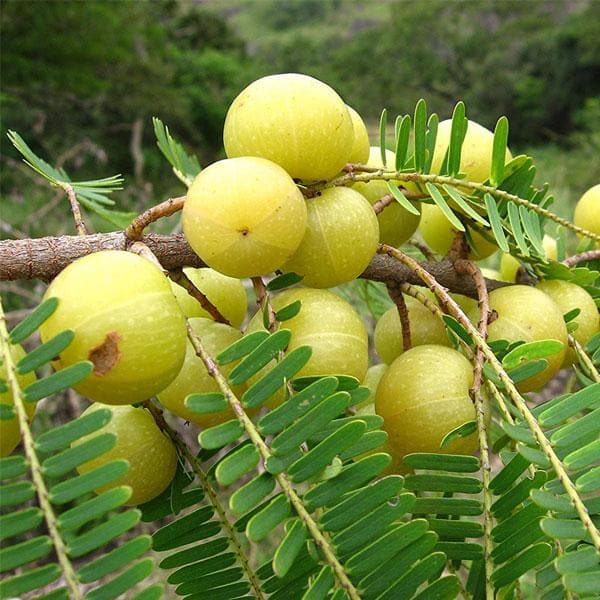
Amla, commonly known as Indian gooseberry, is a deciduous tree native to the forests of tropical and subtropical India. The tree is hardy, known for its feathery, light-green leaves and small, round fruits that ripen to a pale, translucent green or yellowish colour.
The fruit starts as tiny, almost hidden flowers that sprout along the branches, gradually developing into the firm, pale-green berries we know so well. The tree tolerates a wide range of soil types and needs very little maintenance, which is part of why it has remained such a common sight in Indian villages and home gardens for generations, bearing fruit year after year with minimal upkeep.
The Ayurvedic Perspective on Amla
Long before “superfood” was a marketing term, Ayurveda had already built an entire category around Amla. It’s considered one of the most important Rasayana dravyas (rejuvenative substances) in the classical texts, prized for supporting Ojas (vitality) and slowing the effects of aging. It’s also one of the three fruits in Triphala, the well-known Ayurvedic formulation used to support digestion and detoxification.
In practice-based Ayurveda, Amla shows up in more than just diet; its oil is used in scalp and body massage (Abhyanga), and Amla-based preparations are often part of broader Panchakarma and rejuvenation protocols. This is one of the reasons practitioners tend to recommend it as a year-round addition rather than a short-term fix; its benefits in classical Ayurveda are described as cumulative, built through consistent use over time rather than a single dose.
The Nutritional Power of Amla (per 100g, approximate)
| Nutrient / Component | Approximate Amount | Key Role |
|---|---|---|
| Vitamin C | 200–900 mg (varies by variety and freshness; commonly cited around 600 mg) | One of the richest natural sources of vitamin C. Supports immunity, collagen production, and antioxidant protection. |
| Calories | ~58 kcal | Nutrient-dense yet naturally low in calories. |
| Dietary Fibre | ~3.4 g | Supports digestion and gut health. |
| Antioxidants (Polyphenols, Tannins, Flavonoids) | Present in significant, variable amounts | Fights free radicals and oxidative stress. |
| Water Content | ~81 g | Contributes to hydration. |
| Calcium | ~50 mg | Supports bone and teeth health. |
Note: Nutrient values vary by variety, ripeness, and growing conditions — treat these as typical ranges rather than fixed figures.
Also Read: Shatavari Benefits: Why This Herb Is Great for Women
Health Benefits of Amla
1. A Boost for Your Immunity
Amla is well known for its vitamin C content, which supports immune function while acting as an antioxidant to help protect cells. It’s a useful addition to your diet when the seasons are changing, when you’re not sleeping well, or when you’re just feeling run down.
2. Keeps Digestion Smooth
Thanks to its fibre content, Amla supports gut health. If your daily meals are light on fibre, a small amount of Amla can help keep digestion regular.
3. Helps Your Skin Glow
Vitamin C is a building block for collagen, which keeps skin looking firm. Because Indian gooseberry is so rich in vitamin C, eating it regularly can support skin health from the inside out.
4. Good News for Your Hair
Amla has been a staple in Indian hair care for generations; through oils or through eating the fruit, its nutrients are thought to support a healthier scalp and stronger hair roots. It isn’t an overnight fix for hair loss, but it’s a solid part of a long-term hair care routine.
5. Fights Daily “Wear and Tear”
Our bodies constantly deal with oxidative stress, essentially internal wear caused by pollution, poor sleep, and everyday stress. Amla is loaded with antioxidants that help counter this, which is part of why it’s associated with healthy, gradual aging.
6. Supports Heart Health
Some studies suggest Amla can help balance cholesterol levels and reduce inflammation. It shouldn’t replace doctor-prescribed heart medication, but it can be a useful addition to a heart-healthy diet.
7. Helps with Blood Sugar
Indian gooseberry contains fibre and natural compounds that may help keep blood sugar steadier after meals. If you’re managing diabetes, it can be a helpful dietary addition, but it isn’t a replacement for prescribed medication.
8. Supports Eye Health
Between its vitamin C content and other plant compounds, Indian gooseberry is a solid source of nutrients for long-term eye health, though it won’t reverse existing vision issues.
9. Supports Brain Health
The same antioxidants that protect skin cells also help protect brain cells from oxidative damage, a simple, natural way to give your brain some extra support.
10. A Helper for Weight Goals
Amla is low in calories and high in fibre. Swapping a handful of chips for a piece of Amla is a simple way to feel full without overloading on calories.
Which Conditions Can Amla Support?
Svasthvida works with patients across a wide range of chronic and lifestyle conditions, and Amla, as a daily dietary addition, can play a genuinely useful supportive role in several of them. It’s worth being clear-eyed about this, though: Amla is a food, not a treatment, and it works best as part of a properly guided plan rather than as a stand-in for one.
Where Amla’s nutrition profile offers meaningful everyday support:
- Digestive Problems — its fibre content supports regularity and gut health.
- Diabetes Mellitus — may help support steadier post-meal blood sugar as part of an overall diabetes-friendly diet.
- High Cholesterol — some research points to a supportive role in balancing lipid levels.
- Hypertension — its antioxidant profile is generally considered supportive of cardiovascular health.
- Obesity — low in calories and high in fibre, making it a sensible swap for calorie-dense snacks.
- Joint Pains — its antioxidant and anti-inflammatory properties may help with general wear-and-tear discomfort.
- Hair Problems — a long-standing traditional use, particularly as an oil for scalp and root health.
- Skin Care — vitamin C supports collagen production and general skin health.
- Osteoporosis — its calcium content contributes modestly to overall bone health, alongside other calcium sources.
- Menstrual Disorder / PCOD & PCOS — its antioxidant properties are sometimes used as general supportive nutrition alongside targeted hormonal treatment.
Also Read: Morning Detox Drinks in Ayurveda for Better Digestion & Immunity
How to Consume Amla: 7 Easy Ways to Add It to Your Daily Routine
- Fresh and Raw — If you can handle the sour kick, eating it fresh is the best way to enjoy it. Wash it, remove the seed, and sprinkle on a little black salt or chili powder for a crunchy snack. If raw feels too intense, chop it into salads for a tangy bite.
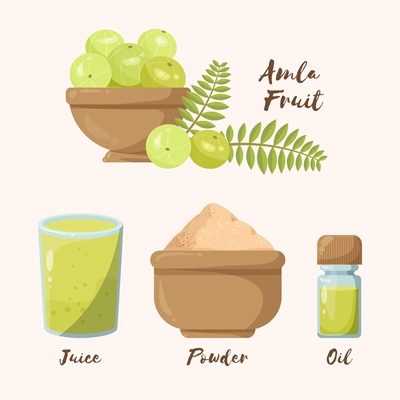
- Amla Juice — A small glass of Amla juice first thing in the morning is a popular way to kick-start digestion and get a daily dose of vitamin C.
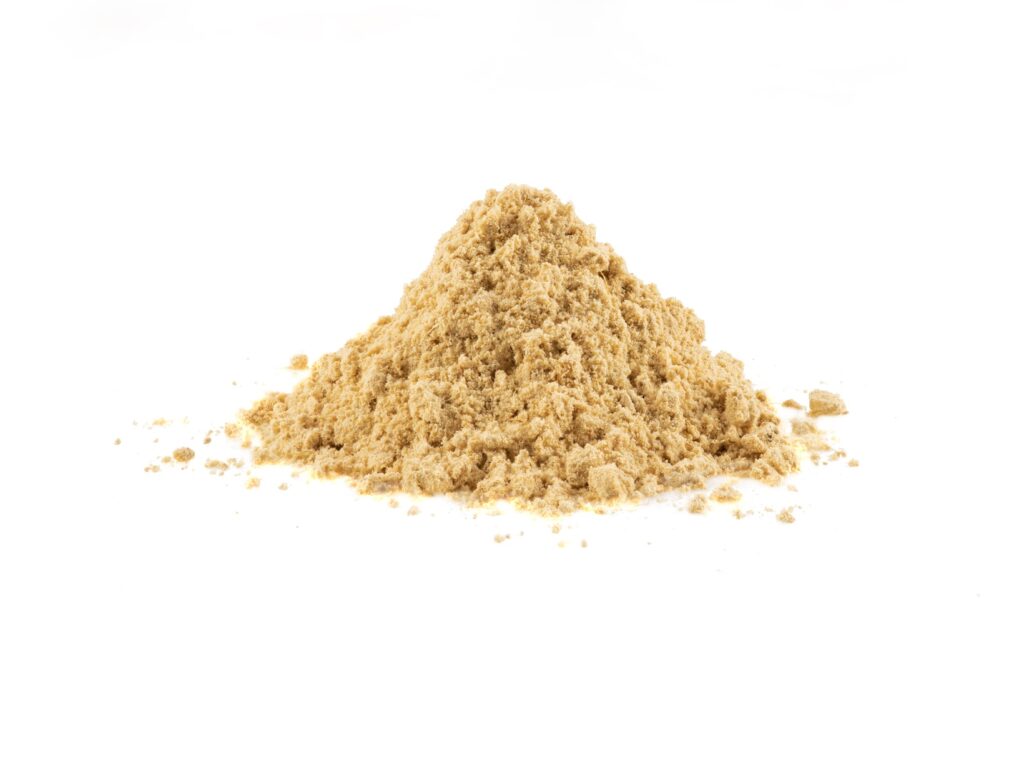
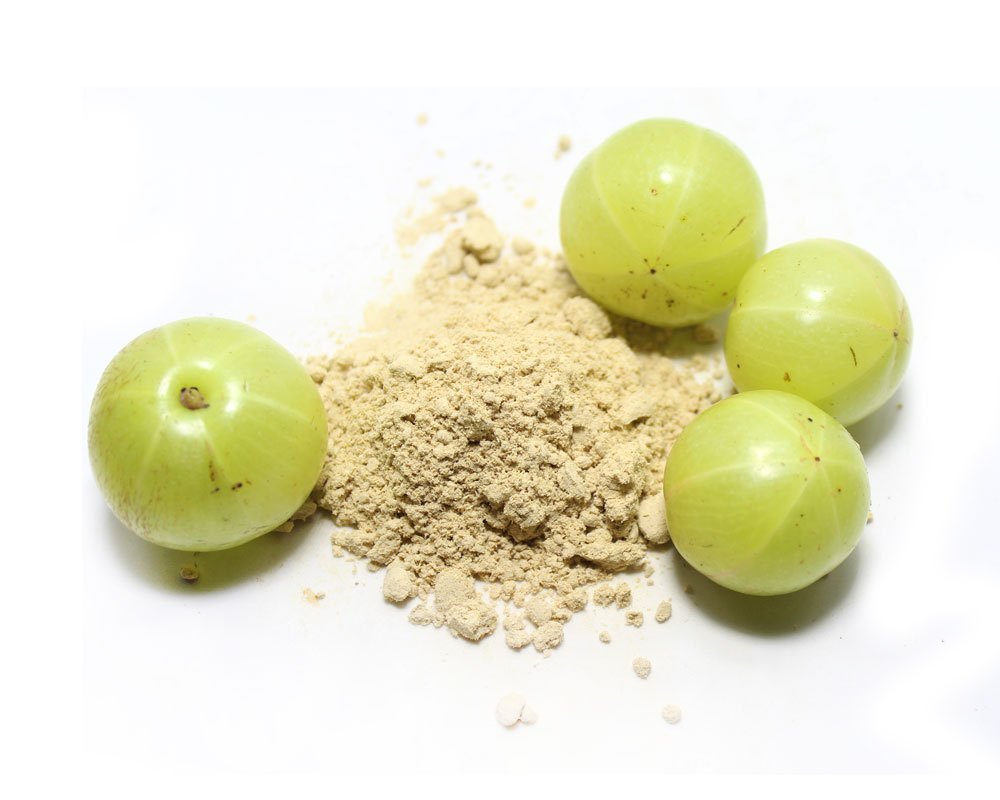
- Amla Powder — Fresh Amla isn’t always in season, but the powder is available year-round. Stir a teaspoon into a smoothie, mix it into yogurt, or add it to a glass of water — a low-effort way to get the benefits when you’re busy.
- Amla Oil — Amla isn’t just for eating; it’s a mainstay in hair care. You can find ready-made Amla hair oil or infuse Amla powder into a carrier oil like coconut or almond oil. Massaging this into the scalp helps keep it hydrated and supports stronger hair roots.
- Capsules and Tablets — For a concentrated dose without prep work. Check the label for the recommended dose — more isn’t always better.
- Amla Murabba — A sweet preserve that takes the sharp edge off the fruit, making it a pleasant after-meal treat in moderation.
- Amla Chutney — Blend fresh Amla with coriander, mint, green chilies, and a little ginger for a tangy side dish that pairs well with rotis, parathas, or snacks — an easy way to work the fruit into daily meals without much thought.
Common Myths About Amla
Myth: Amla is a magic bullet for diabetes. Fact: Not true. Amla can support blood sugar management as part of a balanced diet, but it’s not a replacement for a doctor’s guidance or prescribed medication.
Myth: Eating large amounts of Amla speeds up the benefits. Fact: More isn’t better here — overdoing it can lead to acidity or stomach discomfort. Consistent, smaller daily amounts do more for you than a single large dose.
Myth: Amla is a quick fix for grey hair or hair regrowth. Fact: It supports scalp health and root strength over time, but it isn’t a miracle cure for greying or sudden hair loss.
Myth: Supplements are just as good as the real thing. Fact: Fresh fruit offers a complete package of nutrients that the body generally processes more easily than a refined powder or capsule. Treat supplements as a backup for busy days, not a full replacement for whole Amla.
Is Amla Safe for Everyone to Eat?
For most healthy individuals, eating Amla in its natural food form is considered safe. As with any food, though, it may not agree with everyone equally.
Possible Side Effects
Because Amla is quite sour and rich in active compounds, consuming it in large quantities may cause stomach discomfort for some people and could worsen acidity or digestive irritation, especially on an empty stomach.
If you’re new to Amla juice, powder, or supplements, start with a small amount and observe how your body reacts before increasing the dose.
Who Should Be Extra Careful
- People with diabetes or a history of low blood sugar episodes
- People on blood-thinning medication or other long-term prescriptions
- People with a sensitive digestive system
- People with an upcoming surgery
- Anyone managing a chronic health condition who is considering daily supplement use
Eating whole Amla as food is quite different from taking concentrated powders, capsules, or extracts; supplements can interact with medications and behave differently in the body. If you fall into any of the categories above, it’s worth checking with a qualified practitioner before adding concentrated Amla products to your routine.
Best Time of Day to Eat Amla
Morning, on an empty stomach — The most recommended time, especially in Ayurvedic practice. Nutrients tend to absorb better with no other food competing. Best for Amla juice or powder mixed with warm water or honey.
With meals — Easier to digest when taken alongside food, such as pickle, chutney, or fresh fruit. Absorption may be slower, but it reduces the chance of stomach irritation.
Before bed — Not usually advised, since its natural acidity can cause mild discomfort or acid reflux if taken too close to bedtime.
Final Thought
Amla isn’t just the latest trend to hit the wellness world; it’s a quiet, consistent presence that has held its place in Indian homes and Ayurvedic practice for centuries. Whether you’re looking to support your immune system, add a natural glow to your skin, or simply bring more real, whole foods into your diet, this small green fruit has a lot to offer.
You don’t need to overhaul your routine to see the benefits; a quick shot of juice in the morning, a spoonful of powder in your smoothie, or a dollop of homemade chutney on your plate is enough to start. Start small, stay consistent, and let this ancient staple do what it does best.
If you’d like guidance on how Amla and other Rasayana herbs fit into a routine suited to your individual constitution, the Ayurvedic practitioners at Svasthvida can help you build a plan around it, whether that’s dietary guidance, Amla-infused oils as part of Abhyanga, or a broader Panchakarma-based approach to wellness.
Frequently Asked Questions (FAQs)
Q1. Can I consume Amla daily?
Ans: Yes, Amla can be taken daily by most people, and it helps boost immunity, aid digestion, and support overall wellness. Those with sensitive stomachs should stick to small quantities.
Q2. How do I eat Amla?
Ans: You can use fresh Amla, juice, powder, or oil (for hair and skin). Fresh Amla is nutritionally the most complete option, while juice and powder are convenient for daily use.
Q3. How much Amla should I take in a day?
Ans: 1–2 pieces of fresh Amla, or 20–30 ml of Amla juice daily, is a reasonable amount. A small teaspoon of powder mixed with water or added to smoothies also works well.
Q4. Is Amla good for hair growth?
Ans: Amla is believed to strengthen hair follicles, nourish hair roots, and reduce hair fall. Amla oil massaged into the scalp is a common way to use it for hair care.
Q5. Can Amla boost skin health?
Ans: Yes — its vitamin C and antioxidants support collagen production, which can help minimise the visible signs of aging and support healthier-looking skin.
Q6. What is the best time to eat Amla?
Ans: Morning, on an empty stomach, is generally recommended for better nutrient absorption. If you have a sensitive stomach, take it with a light meal instead.
Q7. How should I store Amla powder to keep it fresh?
Ans: Keep it in an airtight container in a cool, dry, dark place, and always use a dry spoon. Properly stored, it typically stays fresh for 6–12 months.
This article is for general information and is not medical advice. If you have a respiratory or heart condition, are pregnant, or are unsure whether these practices suit you, please speak to your doctor before beginning.

Doctor Bhupinder Singh Arora
Founder Of Svasthvida
Dr. Bhupinder Singh Arora is the Founder and lead Ayurvedic physician at Svasthvida, Amritsar. With a BAMS and Ayurveda M.D. from Bharati Vidyapeeth Deemed University, Pune, plus international CIBTAC (UK) and Spa Management certifications, he brings over 16 years of expertise in Ayurvedic Panchakarma. Known for his results in skin, orthopaedic, neurological, and sexual health conditions, he specialises in pulse diagnosis, leech therapy, and Panchakarma — having successfully treated thousands of patients across India and abroad.
View Profile थायराइड (Thyroid) क्या है? लक्षण, कारण, प्रकार, आहार और आयुर्वेदिक देखभाल की पूरी जानकारी
 रात को नींद क्यों नहीं आती? कारण, लक्षण और आयुर्वेदिक इलाज
 Why Am I Always Bloated? Common Causes and What to Do
 Why Is Amla Considered a Superfood? Benefits, Nutrition & Uses
 Ajwain (Carom Seeds): Ayurvedic Benefits, Uses, Side Effects and Home Remedies