Ajwain (Carom Seeds): Ayurvedic Benefits, Uses, Side Effects and Home Remedies
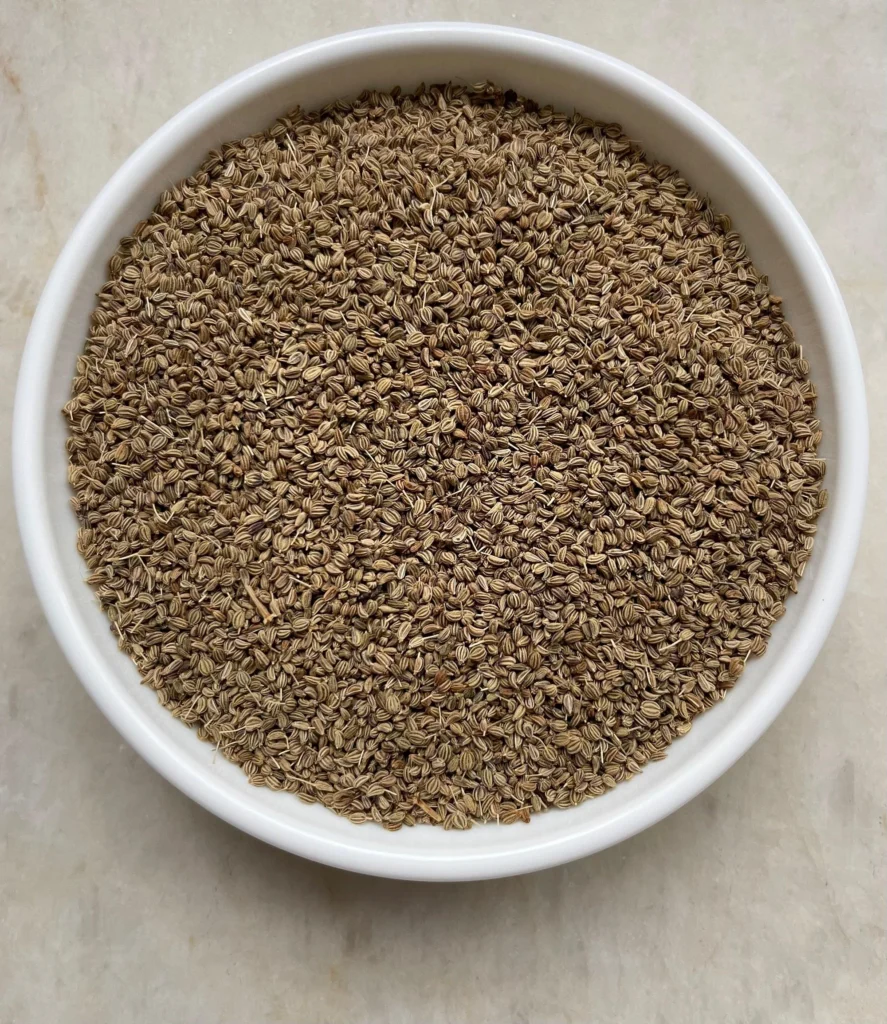
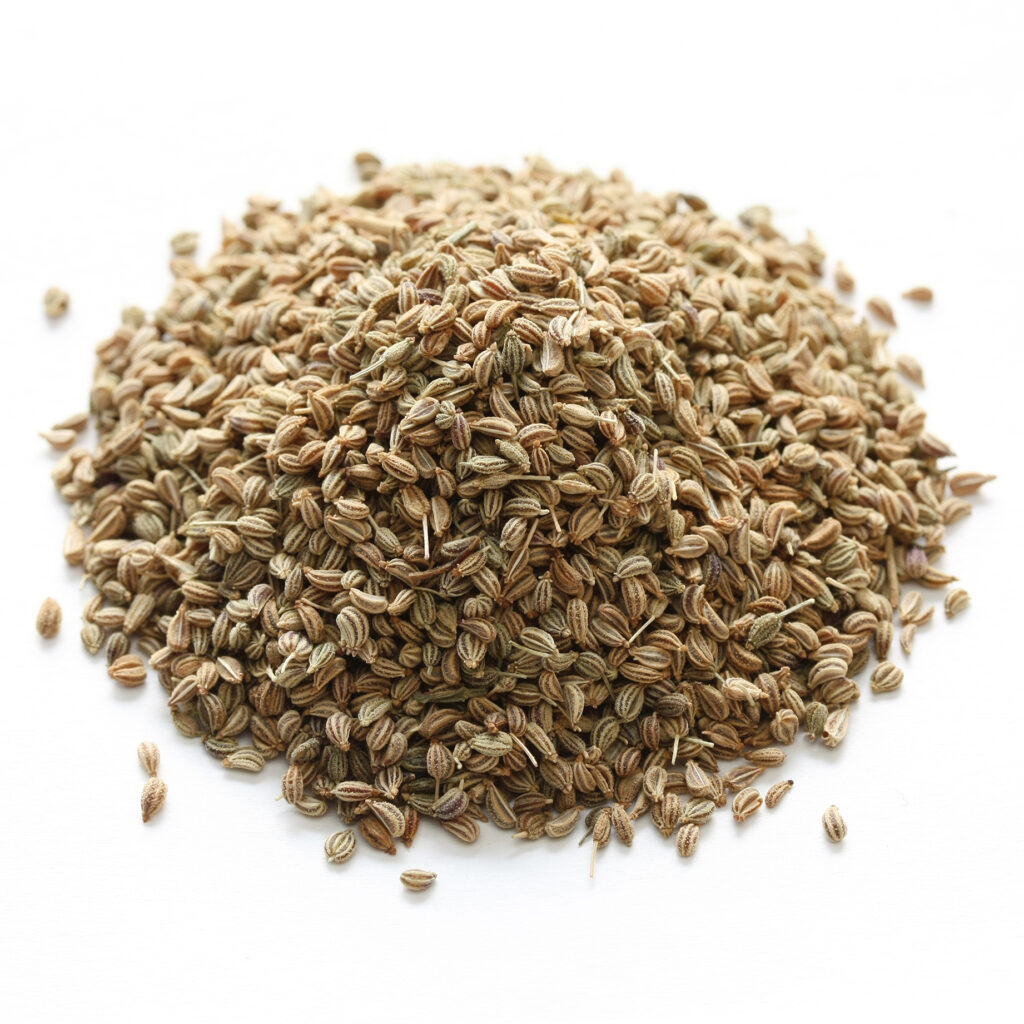
There is a small, unassuming container in almost every Indian kitchen. It doesn’t look special. The seeds inside are tiny, greyish, and easy to overlook. But the moment you crush one between your fingers, that sharp, almost medicinal smell hits you, and suddenly you remember everything.
Your mom would add it to the paratha dough. Your nani is making you drink that bitter water after a stomachache. That seed is ajwain, small in size but used as a trusted home remedy in India for over 5,000 years.
In this blog, we cover everything you need to know about ajwain, its benefits, Ayurvedic properties, how to use it at home, and who should be careful with it.
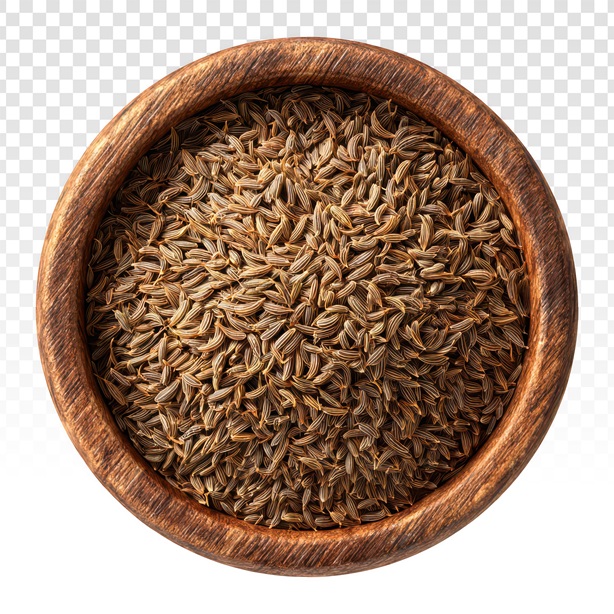
Where and How Is Ajwain Grown?
Ajwain is mainly grown in India, particularly in Rajasthan, Gujarat, Madhya Pradesh, Uttar Pradesh, and Bihar. It grows best in dry, warm weather with soil that drains water easily.
Farmers sow ajwain seeds during the winter season. The plant grows small, around 2 to 3 feet tall, with tiny white flowers on top. As these flowers mature, they turn into small fruits carrying the seeds inside. These seeds are then harvested, dried, and packed into the ajwain you see in your kitchen and local market.
What is Ajwain and Its Ayurvedic Properties?
Ajwain, also called Carom seeds or ajwain in English, is more than just a kitchen spice; it is a powerful herbal remedy in Ayurveda. Here is how ajwain works:
- Taste: Ajwain has a sharp, bitter taste that immediately wakes up your digestive system. It helps your body break down food faster and more comfortably after meals.
- Qualities: Ajwain is light on the stomach. It dries out excess moisture in the body, making it very useful for bloating, excess mucus, and water retention.
- Potency: Ajwain generates warmth inside the body. Great for slow digestion, winter congestion, and cold-related issues. Not ideal if you already have acidity or ulcers.
- Post-Digestive Effect: Even after digestion, ajwain keeps working, supporting metabolism and helping the body flush out waste cleanly.
In simple Ayurvedic terms, ajwain is called a Deepan-Pachan herb; it lights up your digestive fire and prevents toxins from building up inside the body. That one quality alone explains why people reach for it again and again.
What Are the Benefits of Ajwain?
1. Digestion
Ajwain is, first and foremost, a digestive spice. It stimulates digestive enzymes, relaxes gut muscles, and keeps food moving smoothly through your system. Gas, bloating, heaviness after meals, poor appetite, ajwain handles all of it. Both Ayurveda and modern research back this up. The thymol in the seeds promotes enzyme activity and reduces gut spasms almost immediately.
2. Breathing Problems
Ajwain loosens thick mucus stuck in the lungs and airways, makes it easier to cough out, and fights the bacteria behind respiratory infections. Steam inhalation with ajwain water has been used across India for colds, congestion, and mild asthma for centuries — and it genuinely works.
3. Weight Management
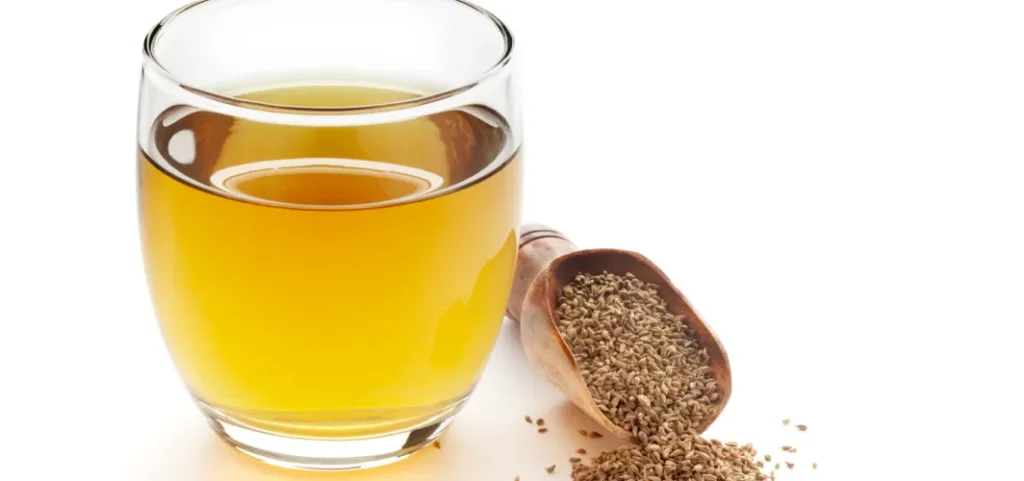
Ajwain doesn’t burn fat directly. It fixes the conditions that slow weight loss down, such as poor digestion, low metabolism, and water retention. Drinking ajwain water every morning on an empty stomach gradually improves how your body processes food and burns energy.
4. Menstrual Pain
Ajwain does not just help with stomach cramps; it also helps with period cramps. It relaxes the muscles in the uterus the same way it relaxes the gut. Many women in India have been using this remedy for generations, and it genuinely works. A warm cup of ajwain water during painful periods improves blood flow and reduces the pain noticeably.
5. Immunity
Ajwain is rich in antioxidants and has strong antimicrobial properties, fighting bacteria, fungi, and certain parasites. Even cooking with it daily keeps your body’s defenses quietly active.
6. Oral Health
Thymol is a proven antibacterial agent; it’s literally used in commercial mouthwashes. Chewing a few ajwain seeds freshens breath, kills mouth bacteria, and temporarily eases a toothache. Rinsing with ajwain water supports gum health over time.
7. Heart Health and Cholesterol
Regular ajwain water consumption supports healthier cholesterol levels by regulating fat absorption in the gut. It also has a mild blood pressure-lowering effect. These are slow, gradual benefits; consistency matters more than quantity.
Also Read: Shatavari Benefits: Why This Herb Is Great for Women
How Much Ajwain Can You Safely Consume Each Day?
Adults can safely consume 1 to 2 teaspoons of ajwain seeds per day, or one cup of ajwain water daily. For children, use half that amount. Cooking with ajwain every day is completely safe and adds consistent, subtle health benefits over time.
The most important rule to remember: treat it as a spice, not a supplement. In cooking quantities, it is harmless and beneficial. In large medicinal doses taken daily over long periods without guidance, it can start causing problems.
How Can You Use Ajwain at Home for Common Health Concerns?
| Health Concern | Remedy | How to Use |
| Gas and Bloating | Ajwain with Black Salt | Chew ½ teaspoon of raw Ajwain seeds with a pinch of black salt. Drink a glass of warm water afterward. Relief may be felt within 20–30 minutes. |
| Indigestion and Digestive Discomfort | Ajwain Water | Soak 1 teaspoon of Ajwain seeds in a glass of water overnight. Strain and drink on an empty stomach. For a quicker version, boil 1 teaspoon of seeds in 2 cups of water for 5–10 minutes, strain, and drink warm. |
| Cough and Cold | Ajwain Herbal Decoction | Boil Ajwain seeds with a few Tulsi leaves, a small piece of ginger, and a cinnamon stick. Strain and drink twice daily to help ease congestion and throat discomfort. |
| Blocked Nose and Congestion | Ajwain Steam Inhalation | Add a generous pinch of Ajwain seeds to a bowl of freshly boiled water. Cover your head with a towel and inhale the steam for 5–7 minutes. Repeat twice daily during a cold. |
| Period Cramps | Warm Ajwain Drink | Boil 1 teaspoon of Ajwain in 2 cups of water until it reduces to about 1 cup. Add a small piece of jaggery if desired and drink warm. |
| Toothache | Ajwain Oil Application | Mix 1 drop of Ajwain oil with clove oil. Apply the mixture to the affected tooth using a cotton ball for temporary relief. |
| Children’s Stomach Ache | Roasted Ajwain Powder | Dry roast Ajwain seeds and grind them into a fine powder. Mix about ¼ teaspoon with warm water or a small amount of honey. |
Ajwain vs. Other Common Ayurvedic Spices
Every kitchen spice has its own strength. Here is how ajwain stacks up against the ones you already use:
1. Ajwain vs Fennel (Saunf)
Both help with digestion, but they work in opposite ways. Fennel cools the body — better after a spicy meal. Ajwain heats the body — it’s better after a heavy, oily meal that leaves you feeling stuffed and slow.
2. Ajwain vs Cumin (Jeera)
Cumin is mild and safe for almost everyone. Ajwain is stronger and faster. If you have serious gas or bloating, ajwain will give you quicker relief than jeera will.
3. Ajwain vs Ginger (Adrak)
Both are warming spices. Ginger wins for nausea, vomiting, and general immunity. Ajwain wins for gut cramps, bloating, and clearing mucus from the respiratory tract.
4. Ajwain vs Turmeric (Haldi)
Turmeric is your best option for joint inflammation and building immunity. Ajwain is your best option for digestion and breathing issues. The good news: the two work even better when combined together.
5. The Simple Rule:
No single spice does everything. Each one has a specific job. Ajwain’s job is digestion and respiratory health, and it does that job better than most.
Is Ajwain Safe? Who Should Be Careful?
For most people, ajwain is completely safe. Using it in daily cooking or drinking ajwain water occasionally causes no harm at all. The only time it becomes a problem is when someone uses too much of it, for too long, without paying attention to how their body reacts.
Possible Side Effects of Overuse
Ajwain is strong by nature. When taken in excess, it can cause:
- Mild nausea or stomach upset
- Headaches or dizziness
- Increased acidity or heartburn
These side effects are not common, but they do happen, especially in people who already have a sensitive stomach or chronic acid reflux. If you fall in that category, start with a small pinch and see how your body responds before increasing the amount.
Who Should Be Extra Careful
- Pregnant and breastfeeding women should not use ajwain in large medicinal amounts without first speaking to a doctor. Small quantities of food are generally fine.
- People with ulcers or severe digestive issues should use ajwain sparingly and avoid concentrated ajwain water until the condition improves.
- Anyone who feels discomfort after using ajwain, burning, nausea, or bloating should reduce the amount immediately or stop using it for a few days.
Start small, watch how your body feels, and increase gradually. That way, you get all the benefits without any unnecessary trouble.
How to Store Ajwain Properly
- Keep whole ajwain seeds in a clean, airtight glass or steel container
- Store it away from direct sunlight, heat, and moisture
- Avoid placing it right next to the stovetop
- When stored correctly, the seeds stay potent and fresh for up to one year
How to Test if Your Ajwain is Still Good:
- Crush a few seeds between your fingers
- If the sharp, thyme-like smell hits you immediately and strongly, the seeds are still effective
- A dull or flat smell means the seeds have lost most of their medicinal value and need to be replaced
Expert Insight from Dr. Bhupinder Singh Arora
According to Dr. Bhupinder Singh Arora, Ajwain is one of the most useful kitchen spices in Ayurveda for supporting digestive comfort and maintaining Agni (digestive fire). However, Ayurveda does not rely on a single herb alone. At Svasthvida, digestive concerns are addressed through a combination of personalized nutrition, Ayurvedic medicines, Panchakarma therapies, and lifestyle recommendations designed to promote long-term health and balance.
Also Read: Detox Your Body and Mind: Yoga and Natural Healing Practices
Final Words
We spend money on expensive supplements without realising that one of the best natural remedies is already sitting in our kitchen, costing almost nothing.
Ajwain has no fancy packaging or celebrity endorsements. What it has is 5,000 years of trust from real families, and that is worth more than any health trend.
Add ajwain to your daily cooking. Drink ajwain water every morning. Give it time, and it will quietly do what it has always done best. Some remedies are old because they actually work. Ajwain is one of them.
Frequently Asked Questions
Q1. Can I eat ajwain every day?
Yes. Using ajwain in daily cooking is completely safe for most people. If you are drinking ajwain water daily, stick to one cup per day and take a break every few weeks to avoid overdoing it.
Q2. What is the best time to drink ajwain water?
First thing in the morning on an empty stomach. This is when it works best for digestion, metabolism, and bloating. Avoid drinking it late at night as its heating nature may disturb sleep in some people.
Q3. Can ajwain help with weight loss?
Indirectly yes. Ajwain improves digestion and boosts metabolism when combined with a clean diet and regular movement. It genuinely supports the process.
Q4. Is ajwain safe during pregnancy?
In small cooking quantities, it is generally fine. However, medicinal doses like concentrated ajwain water taken daily should be avoided during pregnancy as it can stimulate uterine contractions.
Q5. Can ajwain cause acidity?
It can — if taken in large amounts. Ajwain is heating by nature, so people with existing acidity, ulcers, or gastritis need to be careful. Start with a very small amount and see how your body reacts before increasing it.
Q6. How do I make ajwain water at home?
Two ways. Quick method: boil one teaspoon of ajwain seeds in two cups of water for 5 to 10 minutes, strain, and drink warm. Overnight method: soak one teaspoon of seeds in a glass of water overnight, strain in the morning, and drink on an empty stomach.
Q7. Is ajwain good for gas and bloating?
Yes. Ajwain is one of the most commonly used Ayurvedic remedies for gas, bloating, and indigestion. Its active compounds help support digestion and may provide relief from abdominal discomfort after meals.
Q8. What are the side effects of eating too much ajwain?
Excessive consumption of ajwain may cause acidity, heartburn, stomach irritation, nausea, or a burning sensation in some individuals. Because of its warming nature, moderation is important.
Q9. Can I chew ajwain seeds after meals?
Yes. Many people chew a small pinch of ajwain seeds after meals to support digestion, freshen the mouth, and help reduce gas or heaviness. This is a traditional practice followed in many Indian households.
Q10. Is ajwain water better than plain water?
Ajwain water contains beneficial plant compounds that may support digestion and gut health. While it can be a useful addition to a healthy lifestyle, it should not replace regular water intake throughout the day.

Doctor Bhupinder Singh Arora
Founder Of Svasthvida
Dr. Bhupinder Singh Arora is the Founder and lead Ayurvedic physician at Svasthvida, Amritsar. With a BAMS and Ayurveda M.D. from Bharati Vidyapeeth Deemed University, Pune, plus international CIBTAC (UK) and Spa Management certifications, he brings over 16 years of expertise in Ayurvedic Panchakarma. Known for his results in skin, orthopaedic, neurological, and sexual health conditions, he specialises in pulse diagnosis, leech therapy, and Panchakarma — having successfully treated thousands of patients across India and abroad.
View Profile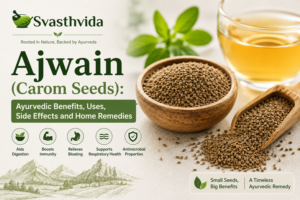 Ajwain (Carom Seeds): Ayurvedic Benefits, Uses, Side Effects and Home Remedies
 Shilajit for Men and Women: Benefits, Uses & Everything You Should Know
 Knee Pain at Night: Why It Happens and How to Stop It
 Shatavari Benefits: Why This Herb Is Great for Women
 Detox Your Body and Mind: Yoga and Natural Healing Practices