Ayurvedic Panchakarma Treatment
Panchakarma Treatment in Amritsar
Svasthvida is an Ayurvedic treatment and Panchakarma centre in Amritsar, led by Dr. Bhupinder Singh Arora, MD (Ayurveda), former Head of the Panchakarma Department at SLN Ayurvedic College, Amritsar. We offer classical Ayurveda Panchakarma Treatment, including Vaman, Virechan, Basti, Nasya and Raktamokshan, along with supporting therapies like Abhyanga and Shirodhara.
Every ayurvedic treatment plan at our Panchakarma clinic starts with a one-to-one consultation and Nadi (pulse) diagnosis, so your therapies match your body type, your health condition and the season. Whether you are looking for a seasonal detox or support for a long-standing health problem, our team plans each step with you.
What Is Panchakarma?
Panchakarma is a five-step method of cleansing the body described in classical Ayurvedic texts. The name comes from two Sanskrit words: pancha (five) and karma (action). The body is first prepared with medicated oils and herbal steam, then the aggravated doshas are removed through one or more of five procedures, and finally digestion is rebuilt with a guided diet.
Ayurveda sees health as a balance of three doshas: Vata, Pitta and Kapha. Stress, irregular meals, poor sleep, pollution and seasonal changes can disturb this balance over time. Panchakarma Treatment is used to restore it. It is not a massage package or a spa detox; it is a clinical procedure in Ayurveda and should only be done under a qualified Ayurvedic doctor.
The Five Karmas of Panchakarma
Our doctor decides which of these procedures you need. Most patients do not need all five.
Vaman (Therapeutic Emesis)
Vaman is a Panchakarma procedure that removes excess Kapha from the body through controlled, supervised vomiting. Before the procedure, the patient is given internal and external oleation and fomentation for a few days, along with Ayurvedic medicines. Once the accumulated doshas loosen and collect in the upper body, emetic herbs and decoctions are given to induce vomiting. Vaman is mainly recommended for Kapha-dominated conditions such as weight gain, asthma and hyperacidity.
Virechan (Therapeutic Purgation)
Virechan is a Panchakarma procedure that removes excess Pitta from the body through controlled purgation, or clearing of the bowels. As with Vaman, the patient first receives internal and external oleation and fomentation for a few days. A herbal purgative is then given to clear the intestines and flush out the loosened doshas. Virechan is mainly recommended for Pitta-dominated conditions such as acidity, herpes zoster, jaundice and colitis.
Basti (Medicated Enema)
Basti is a Panchakarma procedure in which medicated liquids are given through the rectum as an enema. Depending on the condition, herbal decoctions, medicated oils, ghee or milk are used. Classical Ayurvedic texts consider Basti especially useful in long-term and chronic illnesses. It is mainly recommended for Vata-dominated conditions such as arthritis, back pain, constipation and piles.
Nasya (Nasal Therapy)
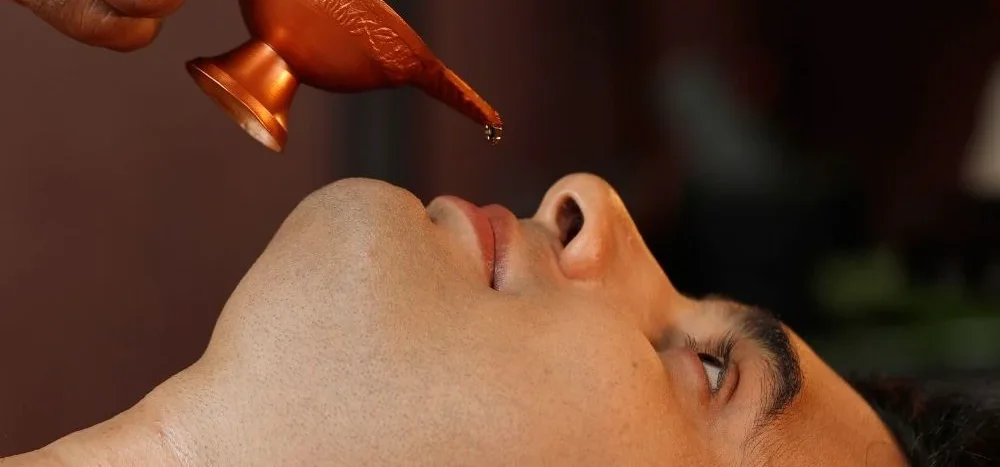
Nasya is a Panchakarma procedure that cleanses the head and neck region through medicated nasal drops. The treatment begins with a gentle massage and fomentation of the head and shoulders, after which the drops are put into both nostrils. Nasya is used for headaches, sinusitis, chronic rhinitis, hair problems, disturbed sleep and certain neurological and respiratory complaints.
Raktamokshan (Bloodletting and Leech Therapy)
Raktamokshan is a Panchakarma procedure that purifies the blood and is used for conditions linked to impure blood in Ayurveda. At Svasthvida, it is done on a specific area or for the whole body, often using medicinal leeches. Dr. Arora is known for his work in leech therapy. Raktamokshan is mainly used for skin conditions such as psoriasis, dermatitis, abscesses and pigmentation.
Supporting Therapies at Our Panchakarma Center in Amritsar
Along with the five main karmas, your Panchakarma plan may include supporting therapies that help prepare the body for treatment or support recovery at our Panchakarma Center in Amritsar.
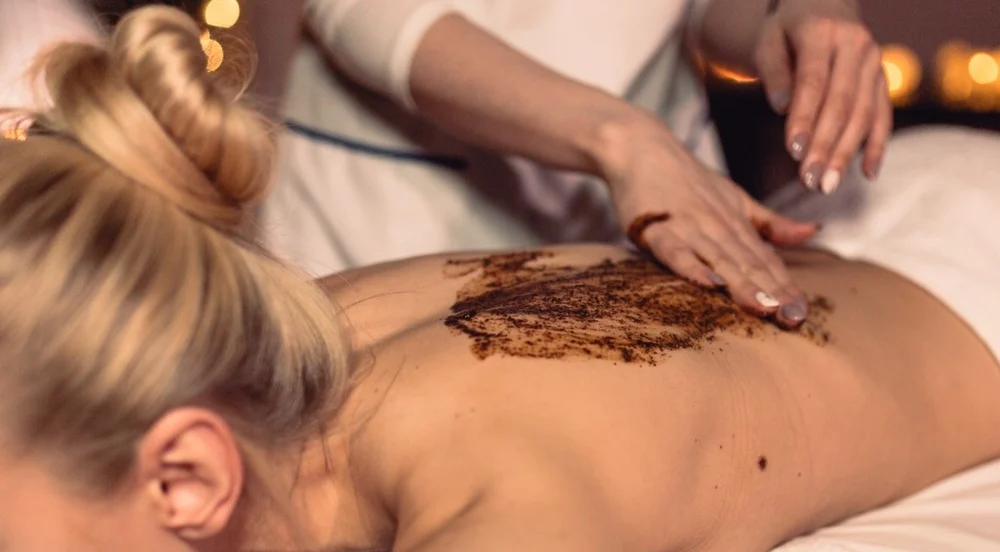
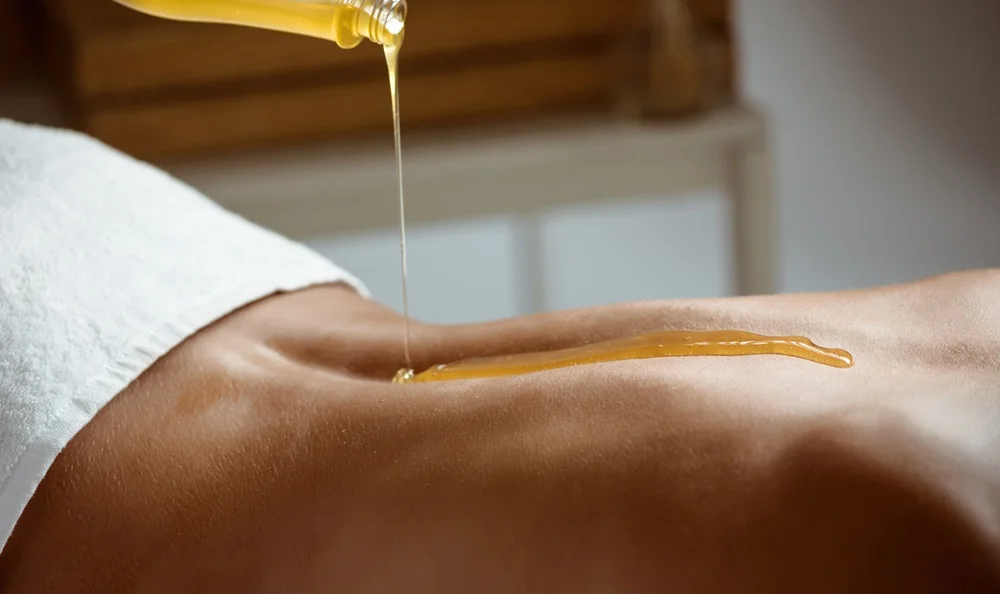
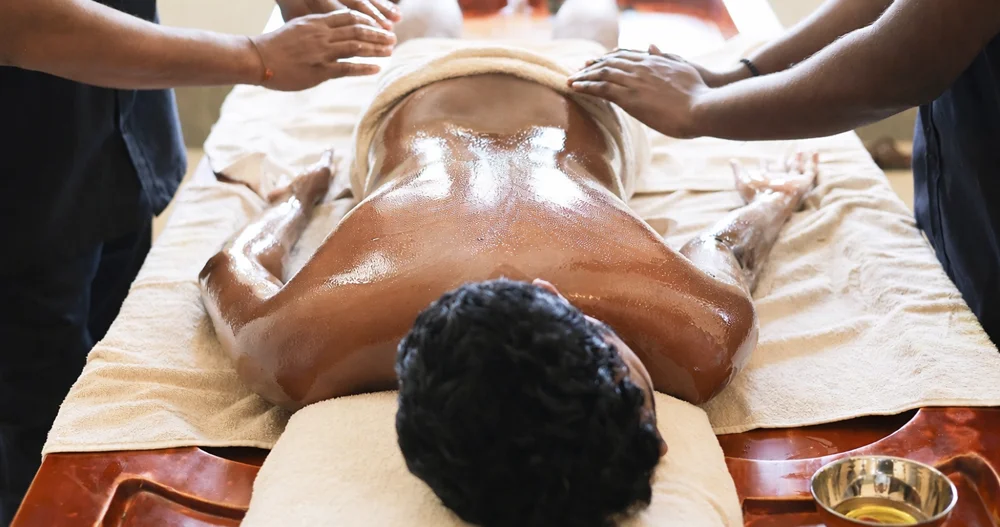
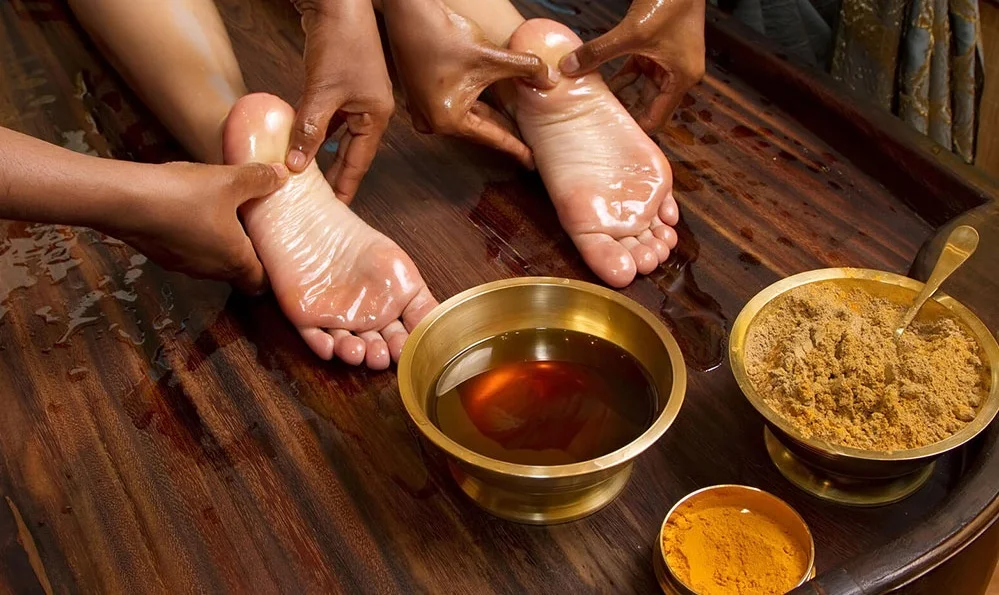
- Abhyanga. A full-body massage with dosha-specific warm oils that improves circulation and prepares the tissues for cleansing.
- Swedana. Herbal steam therapy that follows oil massage and helps loosen the accumulated doshas.
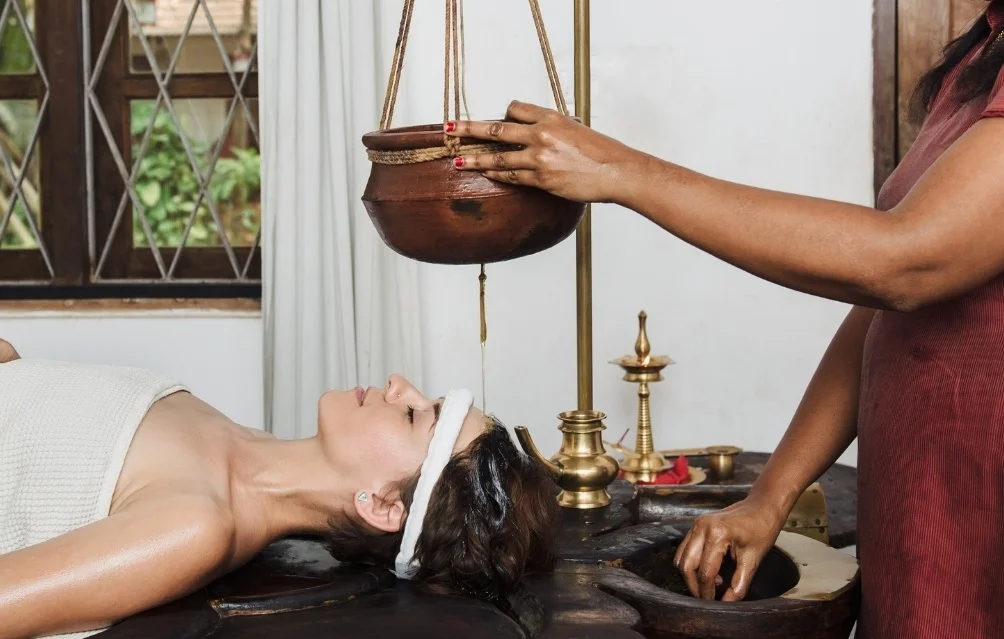
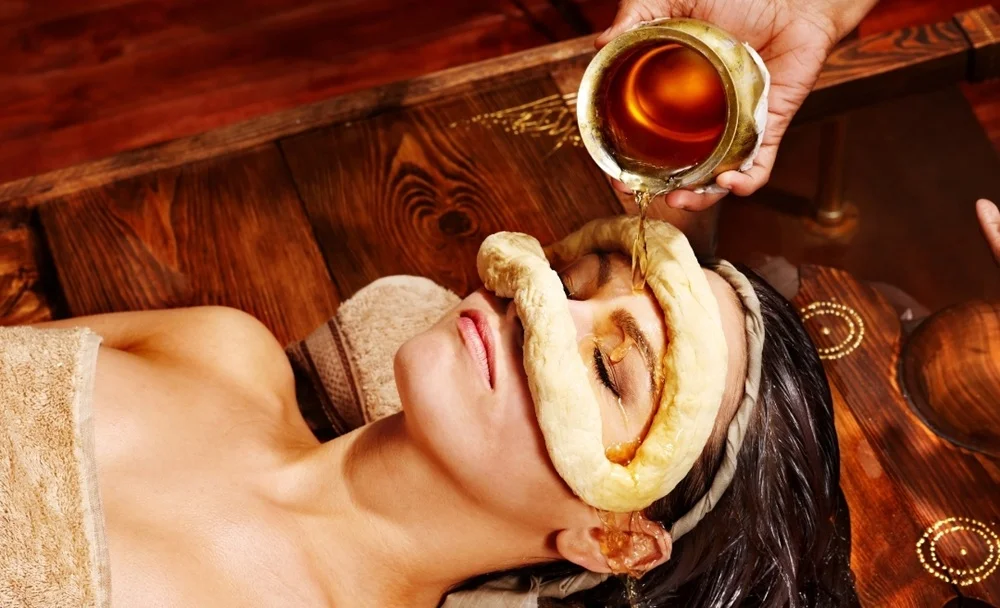
- Shirodhara. A steady stream of warm medicated oil poured over the forehead, used for stress, anxiety, headaches and poor sleep.
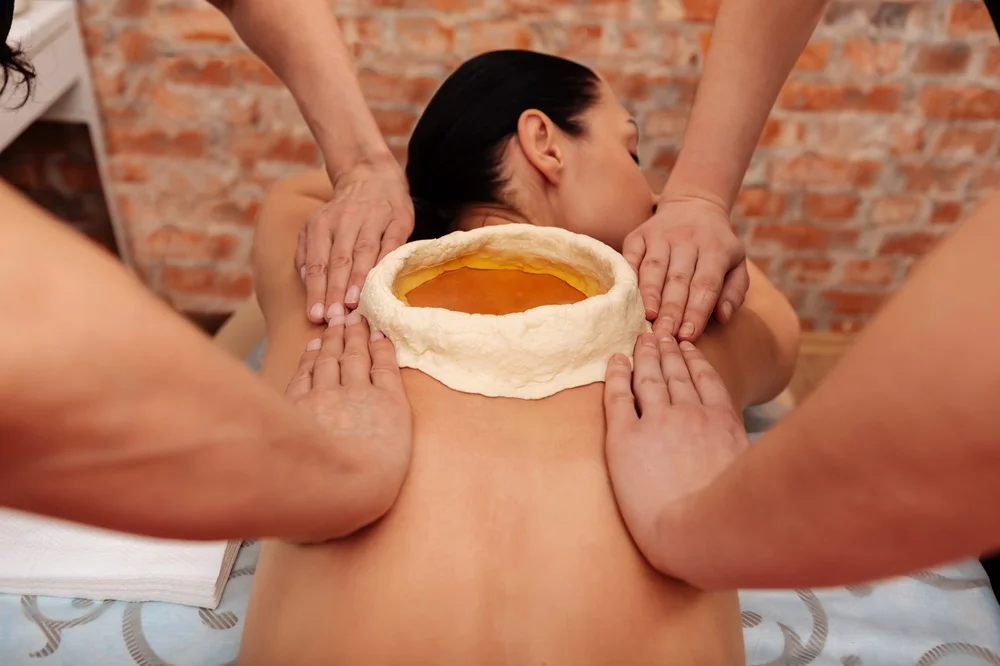
- Pizhichil. Warm herbal oil poured over the body in rhythmic streams while it is gently massaged, used for stiffness and Vata conditions.
- Marma therapy. Gentle pressure on vital energy points to relieve tension and support the body’s natural healing.
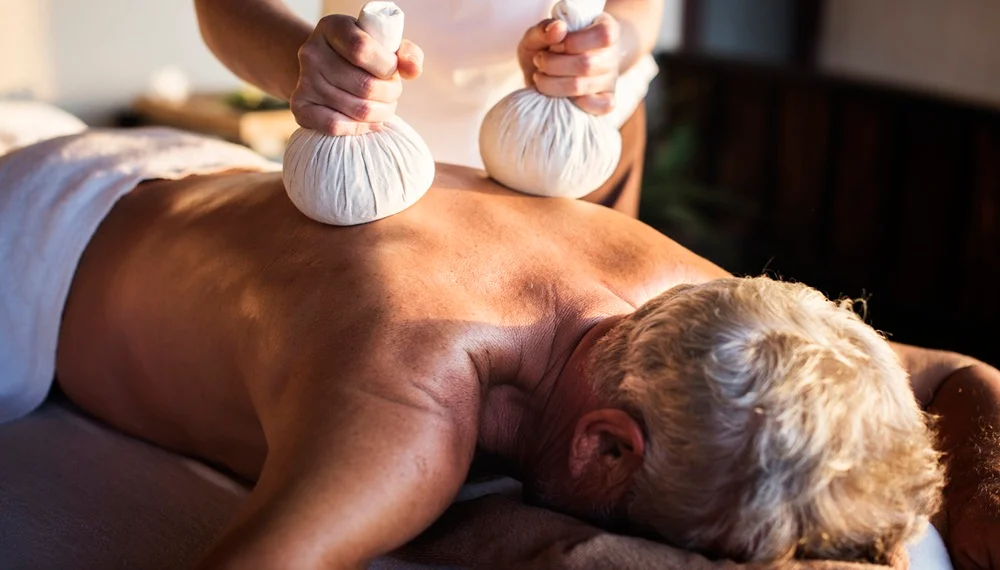
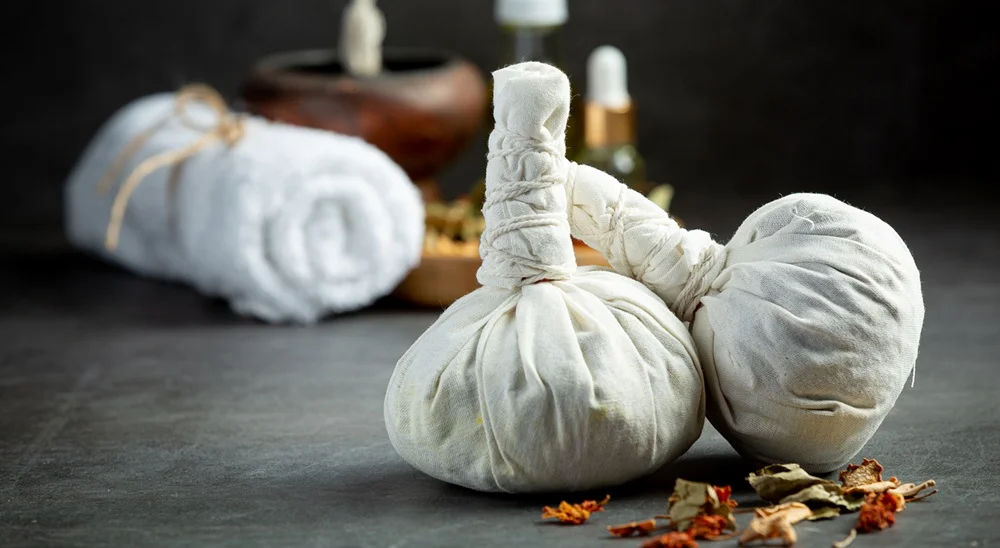
- Potali massage. Warm cloth bundles (potalis) filled with herbs, rice or medicated powders are pressed over the body to ease pain, stiffness and muscle tension.
- Nasya. Medicated oil drops given through the nose after a head and face massage, used for sinus congestion, headaches, hair fall and disturbed sleep.
Therapy Charges at Our Panchakarma Center in Amritsar
These supporting therapies can also be taken as individual sessions. Charges per sitting are listed below:
| Therapy | Price per Sitting |
|---|---|
| Shirodhara | ₹1,000 |
| Abhyanga | ₹1,200 |
| Potali Massage | ₹800 |
| Nasya | ₹700 |
Panchakarma Treatment Cost in Amritsar
There is no fixed price for a Panchakarma package, because no two patients need the same treatment. The cost of Panchakarma treatment depends on your health condition, the karmas the doctor recommends, the number of days and sittings required, and the medicines and oils used. A short seasonal detox will cost far less than a longer plan for a chronic problem such as arthritis, psoriasis or PCOS.
After your consultation and Nadi Pariksha, Dr. Arora prepares a personalised Panchakarma package and shares the complete cost with you before treatment begins, so there are no surprises. To know the Panchakarma package price for your condition, call us at +91-93160-78128.
Benefits of Panchakarma Treatment
When done under proper supervision, Panchakarma offers benefits for both body and mind.
- Deep cleansing. Removes aggravated doshas and accumulated waste from the body’s channels through natural routes.
- Better digestion and metabolism. Resets Agni (digestive fire), which Ayurveda considers the root of good health.
- Support for chronic conditions. Used in Ayurveda to help manage long-standing problems like joint pain, skin conditions, acidity and sinus issues.
- Stress relief. Therapies like Shirodhara and Abhyanga calm the nervous system and help reduce anxiety.
- Improved sleep. Many patients report deeper, more regular sleep during and after treatment.
- Healthier skin. Blood purification through Virechan and Raktamokshan supports clearer skin.
- Weight management. Vaman and a guided diet help correct Kapha imbalance and sluggish metabolism.
- Joint mobility. Basti and oil therapies help ease stiffness and support movement in Vata-related joint problems.
- Stronger immunity. A balanced body and better digestion help the body resist seasonal illnesses.
- More energy. Patients often feel lighter and more active once the recovery diet is complete.
- Rejuvenation. Prepares the body to absorb Rasayana (rejuvenating) medicines more effectively.
- Healthier habits. The post-treatment diet and routine help you build lasting lifestyle changes.
Results vary from person to person, and our doctor at the Panchakarma Center in Amritsar will explain what you can realistically expect in your case.
Conditions Treated at Our Ayurveda Panchakarma Clinic in Amritsar
Patients visit our Ayurveda Panchakarma clinic in Amritsar for support with a range of health concerns, including:
- Joint and spine problems: arthritis, back pain, neck pain, slipped disc and sciatica.
- Skin conditions: psoriasis, eczema, dermatitis, acne and pigmentation.
- Digestive issues: acidity, constipation, IBS, piles and poor appetite.
- Women’s health: PCOS, irregular periods and hormonal imbalance.
- Respiratory and sinus problems: asthma, sinusitis, allergies and chronic cold.
- Stress and lifestyle disorders: anxiety, insomnia, fatigue, obesity and high blood pressure.
How Panchakarma Treatment Works at Svasthvida?
Step 1: Consultation and Nadi Pariksha
Dr. Arora reviews your health history, current medicines and reports, and checks your pulse to understand your dosha imbalance. Based on this, he decides which karmas are suitable and how long your treatment should be.
Step 2: Poorva Karma (Preparation)
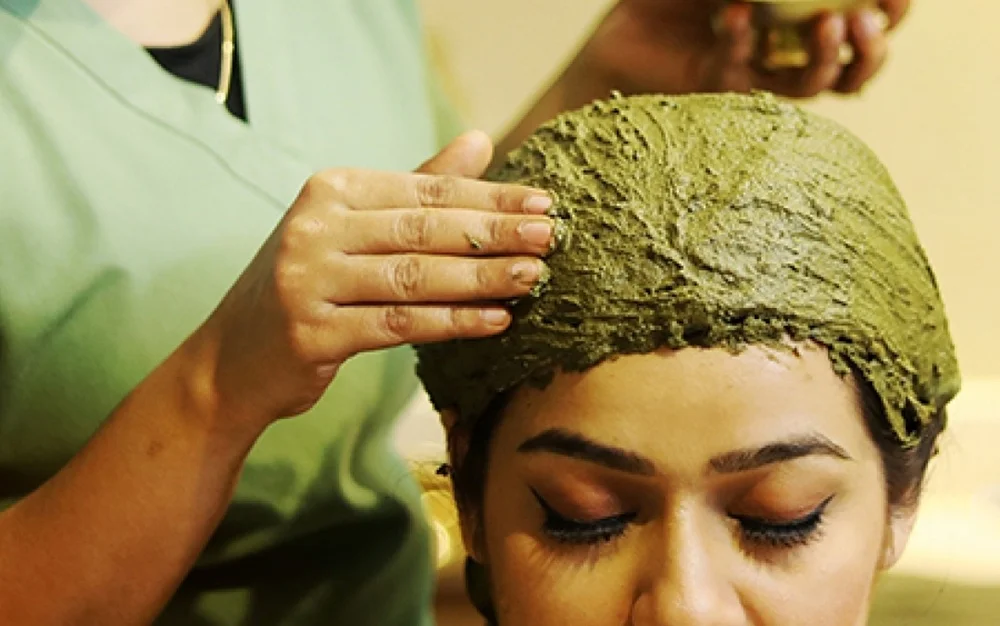
Your body is prepared with Snehan (oleation, using medicated oils or ghee internally and through massage) and Swedan (herbal steam). This loosens the accumulated doshas so they can be removed in the next stage.
Step 3: Pradhan Karma (Main Procedure)
The selected karma is performed, for example Vaman if the imbalance sits in the upper body, or Virechan if it sits in the digestive tract. At our Panchakarma treatment center in Amritsar, each procedure is carried out by trained therapists under the doctor’s supervision.
Step 4: Paschat Karma (Recovery Diet)
After the procedure, digestion needs time to recover. You follow a step-by-step diet, starting with light, warm foods and slowly returning to normal meals. You also receive diet and lifestyle guidance to follow at home.
To get a free health consultation and complete Ayurvedic Panchakarma Treatment in Amritsar, Punjab, book an appointment with Dr. Bhupinder Singh Arora at Svasthvida. Our doctors design a treatment plan suited to your condition, so you can manage your health more effectively and feel better overall. For free consultation, you can also call us at +91-93160-78128.
How to Prepare for Panchakarma?
- Share your full health history. Bring your medical reports and a list of the medicines you take.
- Plan some rest. Keep your schedule light, especially around the main procedure days.
- Start eating lighter. Reduce fried, heavy and processed food a few days before treatment.
- Avoid alcohol and smoking. Stop at least a few days before and throughout the treatment.
- Sleep on time. A regular sleep routine helps your body respond better to therapy.
When Is Panchakarma Not Advised?
Panchakarma may not be suitable during pregnancy, acute fever or infection, extreme weakness, or certain heart conditions. Some procedures are also avoided in young children and elderly patients. Dr. Arora checks for these during the consultation. If you take regular medicines, do not stop them without discussing it with your doctor.
FAQs On Panchakarma Treatment In Amritsar, Punjab
Panchakarma is an Ayurvedic detox treatment that cleanses the body through five procedures: Vaman, Virechan, Basti, Nasya and Raktamokshan. It removes aggravated doshas, improves digestion and helps restore balance between Vata, Pitta and Kapha. The procedures are chosen by an Ayurvedic doctor based on your body type and health condition.
A Panchakarma course usually takes between 7 days and two months, depending on your condition and the procedures chosen. This includes preparation, the main procedure and the recovery diet.
For healthy people, Panchakarma is usually done once or twice a year, often at the change of seasons, to keep the doshas in balance. Patients with chronic conditions may need more frequent sessions, as planned by their doctor after reviewing their progress.
Panchakarma helps cleanse the body, improve digestion and metabolism, and reduce the effects of stress. It is also used in Ayurveda to support the management of chronic conditions such as joint pain, skin problems, acidity and sinus issues. Many patients also report better sleep and energy levels after treatment.
When done under a qualified Ayurvedic doctor, Panchakarma is generally safe. Some people feel temporary tiredness, weakness, loose motions or mild headache during the cleansing stage, which usually settles within a few days. Problems are more likely when it is done without proper supervision or without following the diet. For more info, call us at +91-93160-78128.
Panchakarma is generally not advised during pregnancy, acute fever or infection, extreme weakness, or certain heart conditions. Some procedures are also avoided in young children and elderly patients. The doctor will check your suitability during the consultation before starting treatment.
Eat light, warm and easy-to-digest food such as khichdi, rice gruel, moong dal and vegetable soups. Avoid fried food, cold drinks, non-vegetarian food, alcohol and heavy meals. Your doctor will give you a diet chart for each stage of treatment.
Panchakarma can support weight management, especially through Vaman and a guided diet, since both work on Kapha imbalance and digestion. However, it is not a quick weight-loss program. Lasting results come from following the diet and lifestyle advice after treatment.
Panchakarma can be done throughout the year, but Ayurveda links each karma to a season. Vaman is traditionally done in spring, Virechan in autumn and Basti during the monsoon. Your doctor will suggest the right timing based on your condition.
No, the main Panchakarma procedures such as Vaman, Virechan and Basti should only be done at a clinic under a doctor’s supervision. Some supporting practices, like oil massage and following the prescribed diet, can be continued at home once the doctor advises them.
The cost of a Panchakarma package is not fixed. It varies from patient to patient depending on the health condition, the procedures needed and the length of treatment. The doctor shares the full cost after your consultation. Individual therapies are charged per sitting: Shirodhara ₹1,000, Abhyanga ₹1,200, Potali massage ₹800 and Nasya ₹700. For more info, call us at +91-93160-78128.